
A florist you actually run
Carry crates from the storeroom, fill each bucket by hand, set prices, pull the breaker to open, scan at the till, wrap bouquets and take out the trash. Staff automate a job only after you have done it yourself.
Your uncle hands you his flower shop, fully stocked. Two days later you learn what else he left you: an $18,000 debt to a calm, dangerous man, and the after-hours work that paid it. One clock, one town, one set of keys, two businesses.
Midnight Bloom Simulator is a hands-on business sim in a small coastal town. You haul the crates, fill every bucket, price the stock, work the till and wrap each bouquet yourself. Then the shop closes, and every evening asks whether you finish the wedding order or make the night run.
Carry crates from the storeroom, fill each bucket by hand, set prices, pull the breaker to open, scan at the till, wrap bouquets and take out the trash. Staff automate a job only after you have done it yourself.
The same player, town, vehicles and 24-hour day are shared by a warm daytime flower business and a dark, fictional night operation. The flower shop stays essential all game.
Two separate property ladders, 9 homes and 8 operation spaces, where each step removes a real bottleneck: better sleep, more storage, loading points, staff slots.
A handcrafted coastal town where the florist, wholesaler, hardware store, motel and night contacts are all within a minute's walk, and the whole town is about 3 minutes across on foot.
Suspicion builds per player, property and district and turns into patrols, inspections and a five-step wanted state, while a careful player can stay quiet.
33 quests from the Day 1 hand-over through Week 12 and an open Act 3, with endings that follow how you played: cozy tycoon, kingpin or clean exit.
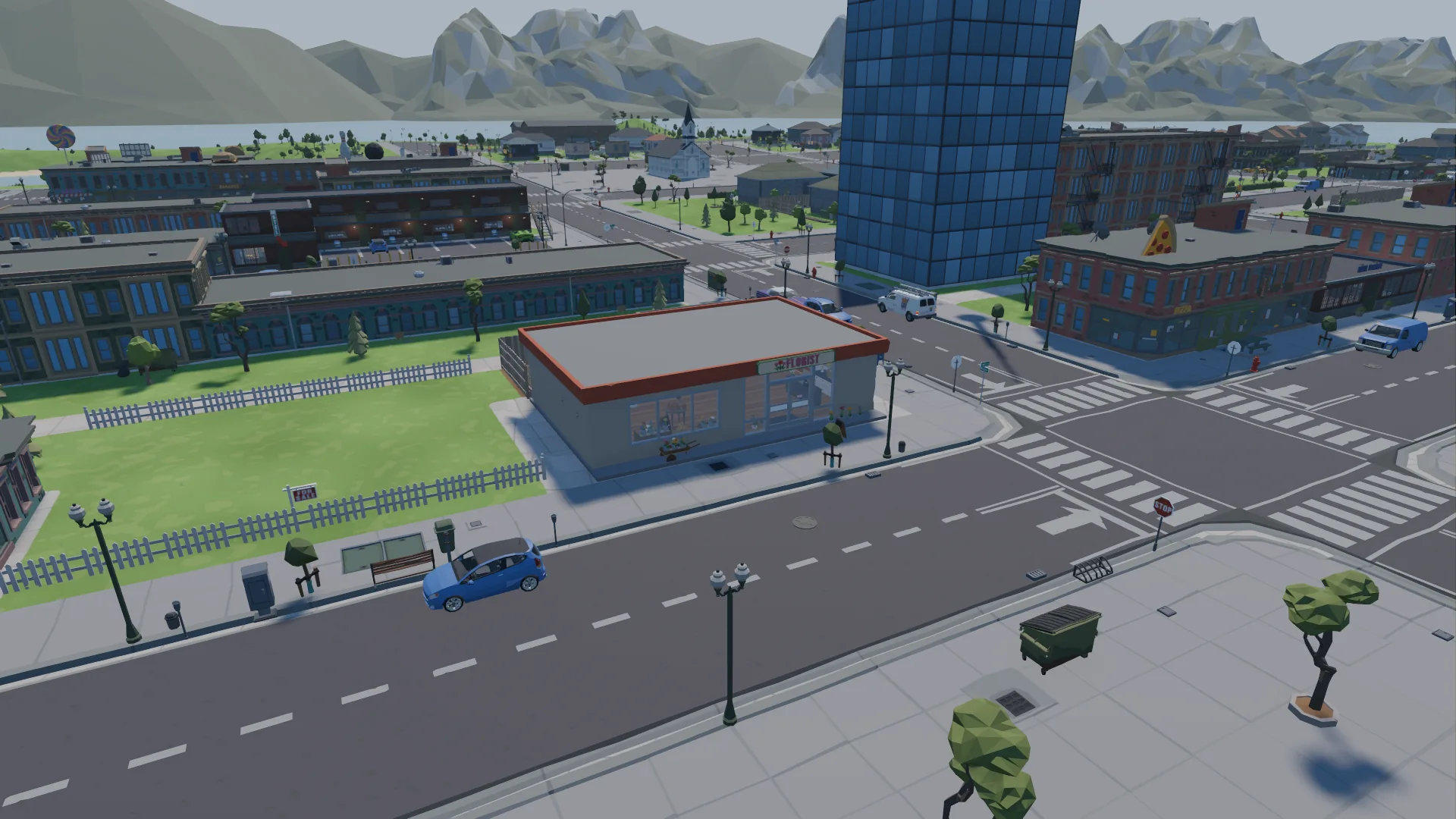
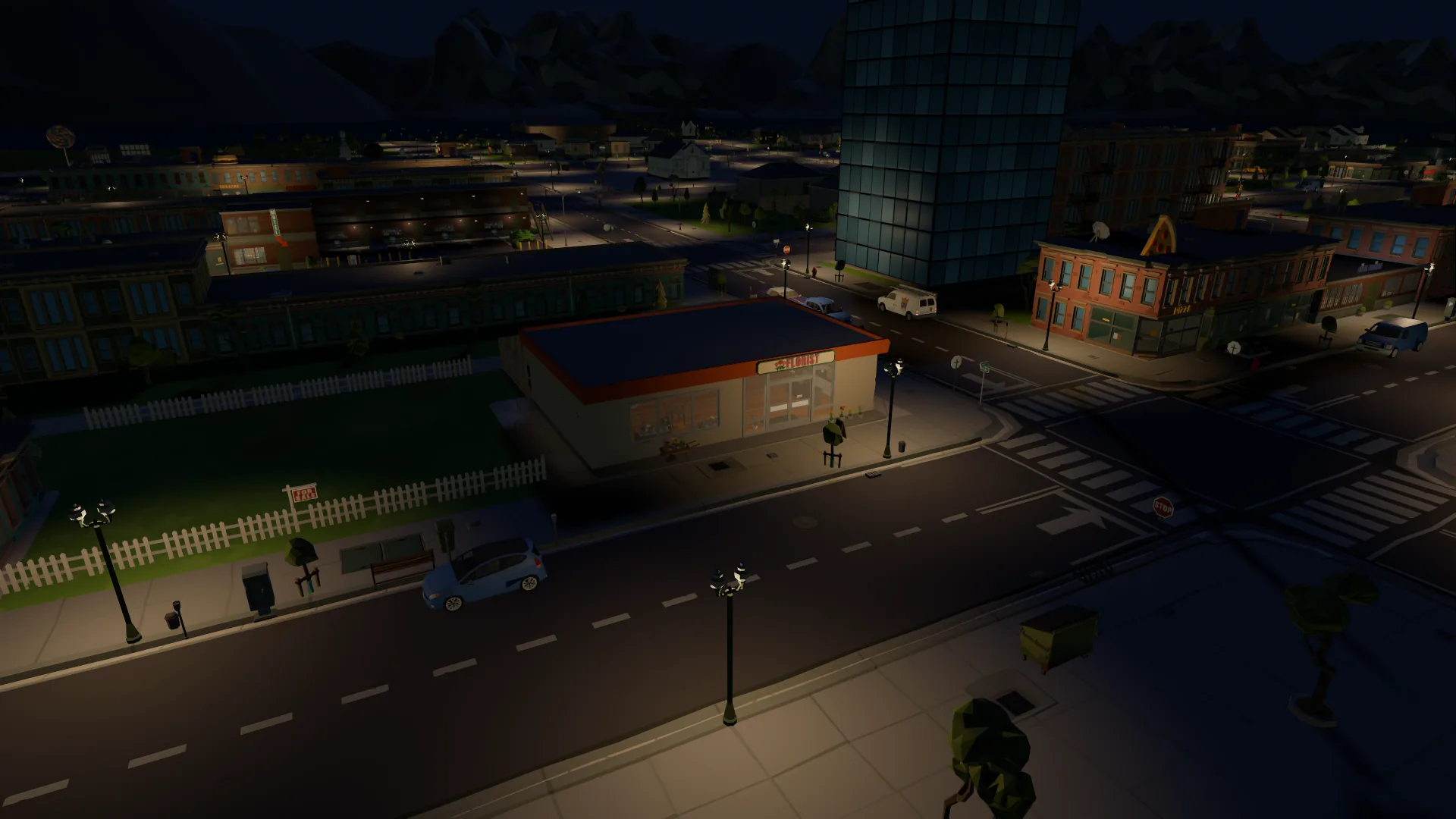
One shopfront, two lives. Drag across the florist's corner.In-engine · same camera
Day 1, 07:10. You're lying in your caravan when your uncle rings. He's too old to go on and wants you to take over his flower shop, the whole business.
The uncle walks you through the shop: stock, displays, prices, the till and the first bouquet basics. You make your first sales and close up in the evening.
Day 2, morning. His shopping list sends you to the wholesaler and the hardware store for gerberas, a premium hydrangea and a new flower bay.
Just before closing, Vedat and his men walk in asking for "the new goods". You know nothing, and it goes badly for you.
The uncle tells you the truth about his debt. That night, at the back gate, you take the first step into the night work to protect him and his daughter.
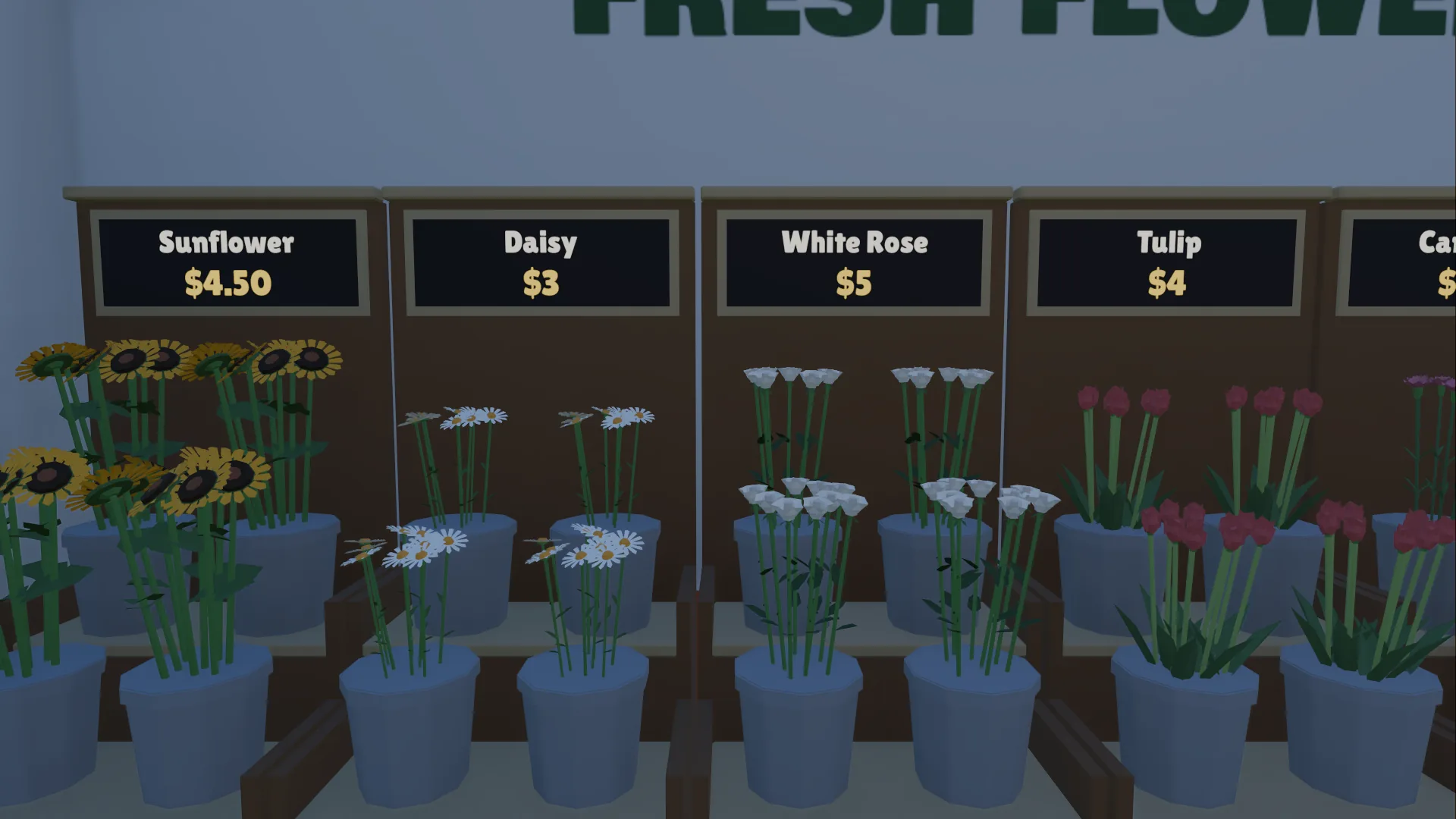
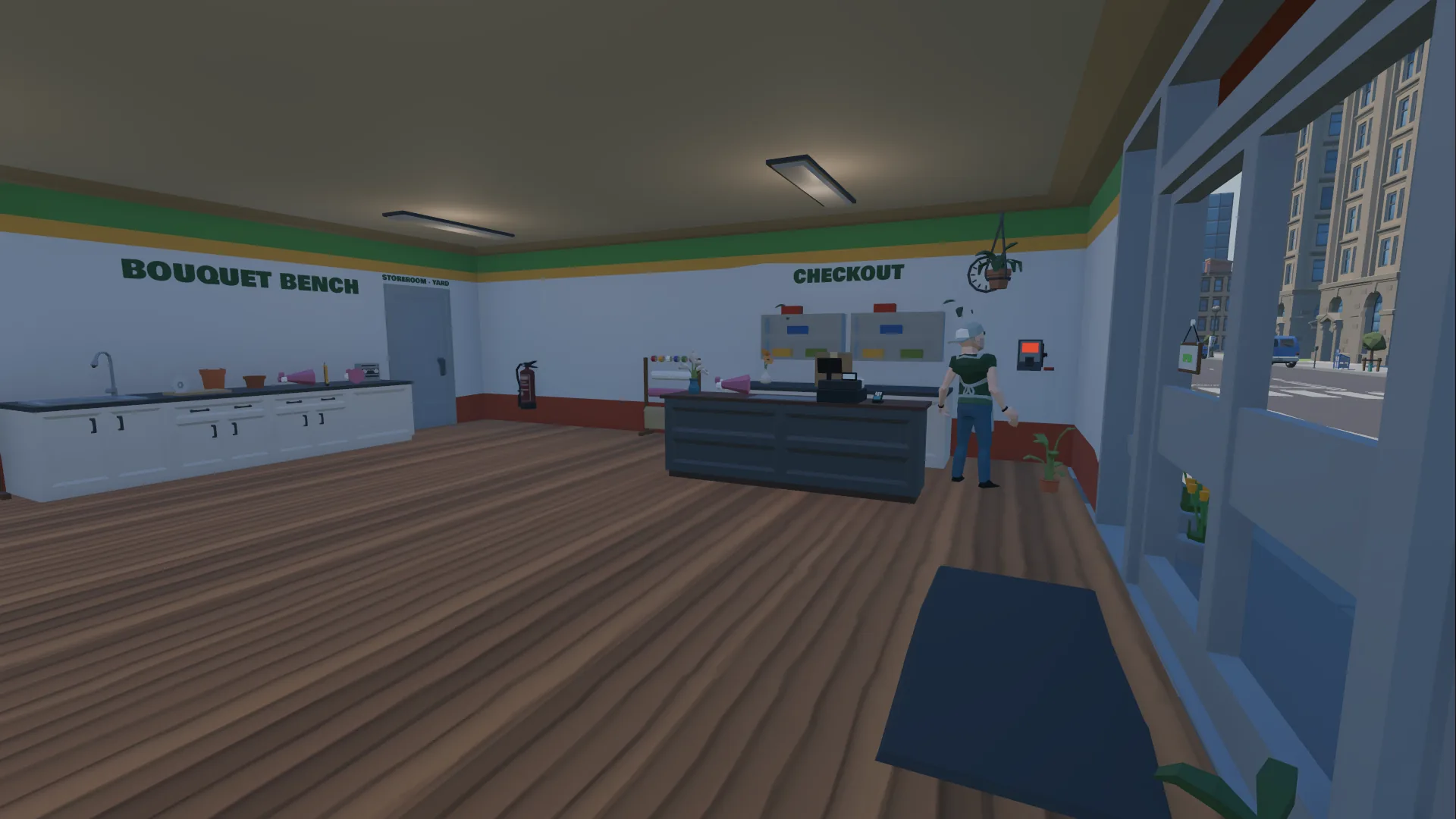
Restock by hand, set prices on the shop PC, open with the breaker lever, work the till and build bouquets to each customer's wish. The Shop Account pays rent, staff and vehicles, and flower reputation (stars) unlocks premium stock, clients and contracts.
A fictional, abstract side business that starts with one kit in the rear yard: Growth Stations tracked only by progress, condition, quality, power load and risk, and night orders with time windows. Night Cash pays the weekly installment, equipment and the crew, and night reputation (ranks) opens contacts, properties and gear.
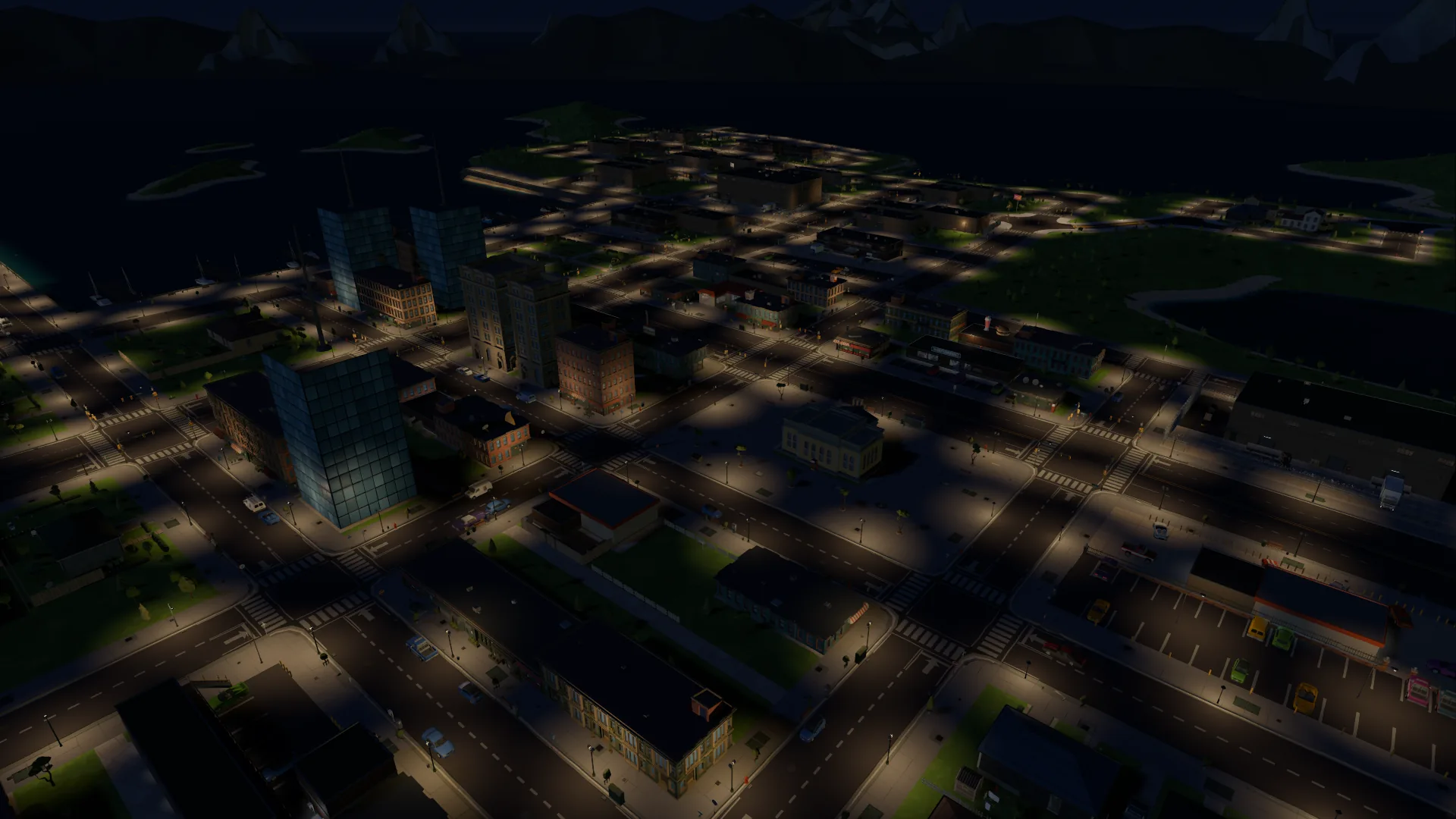
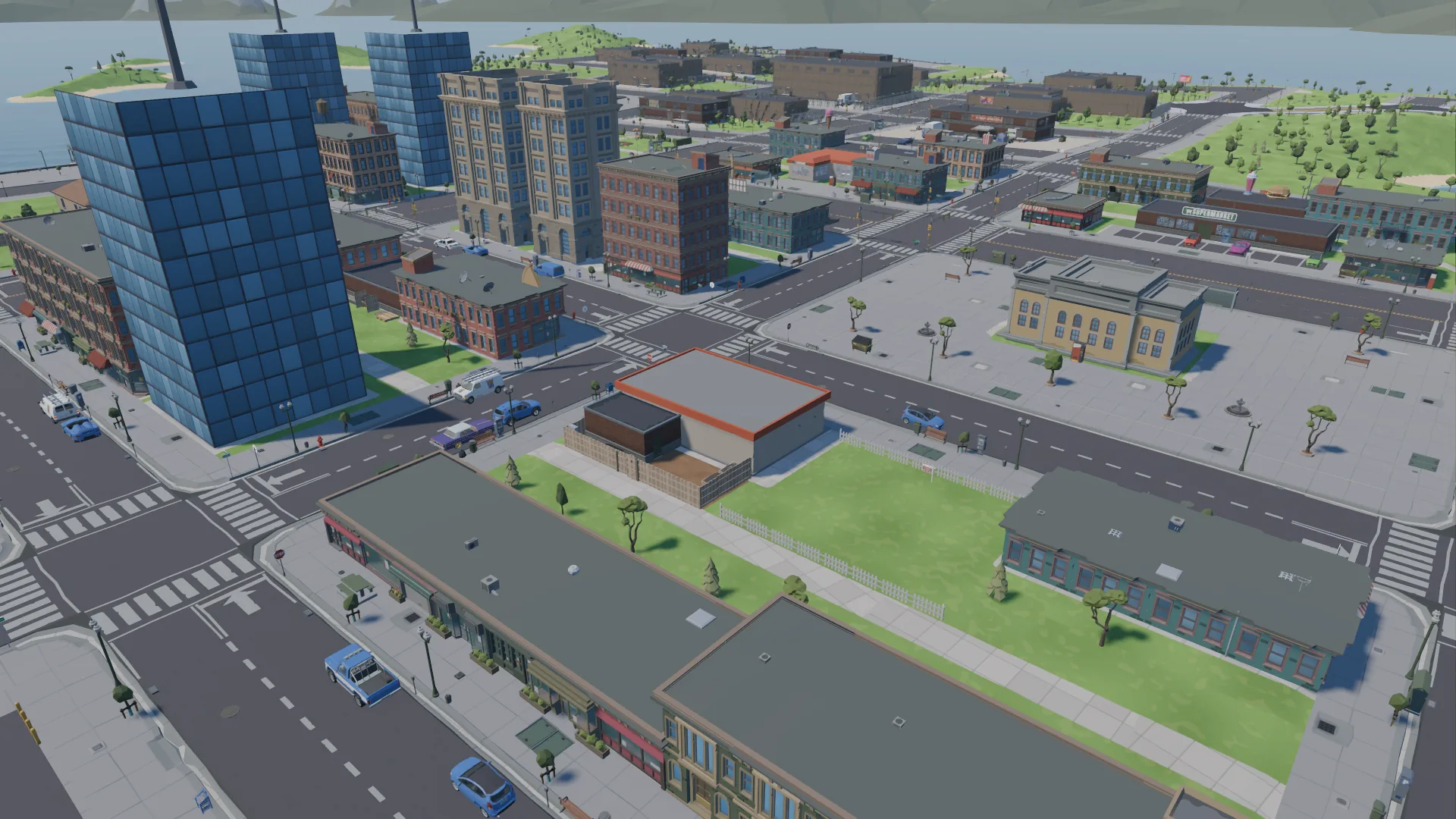
An unnamed town on a hilly island: 1,024 × 1,024 m of playable map around a town core of about 390 × 370 m. The marina runs along the west edge, the port and hangar sit on the northern shore, lakes and a river lie to the east and south, and low-poly mountains ring the bay.
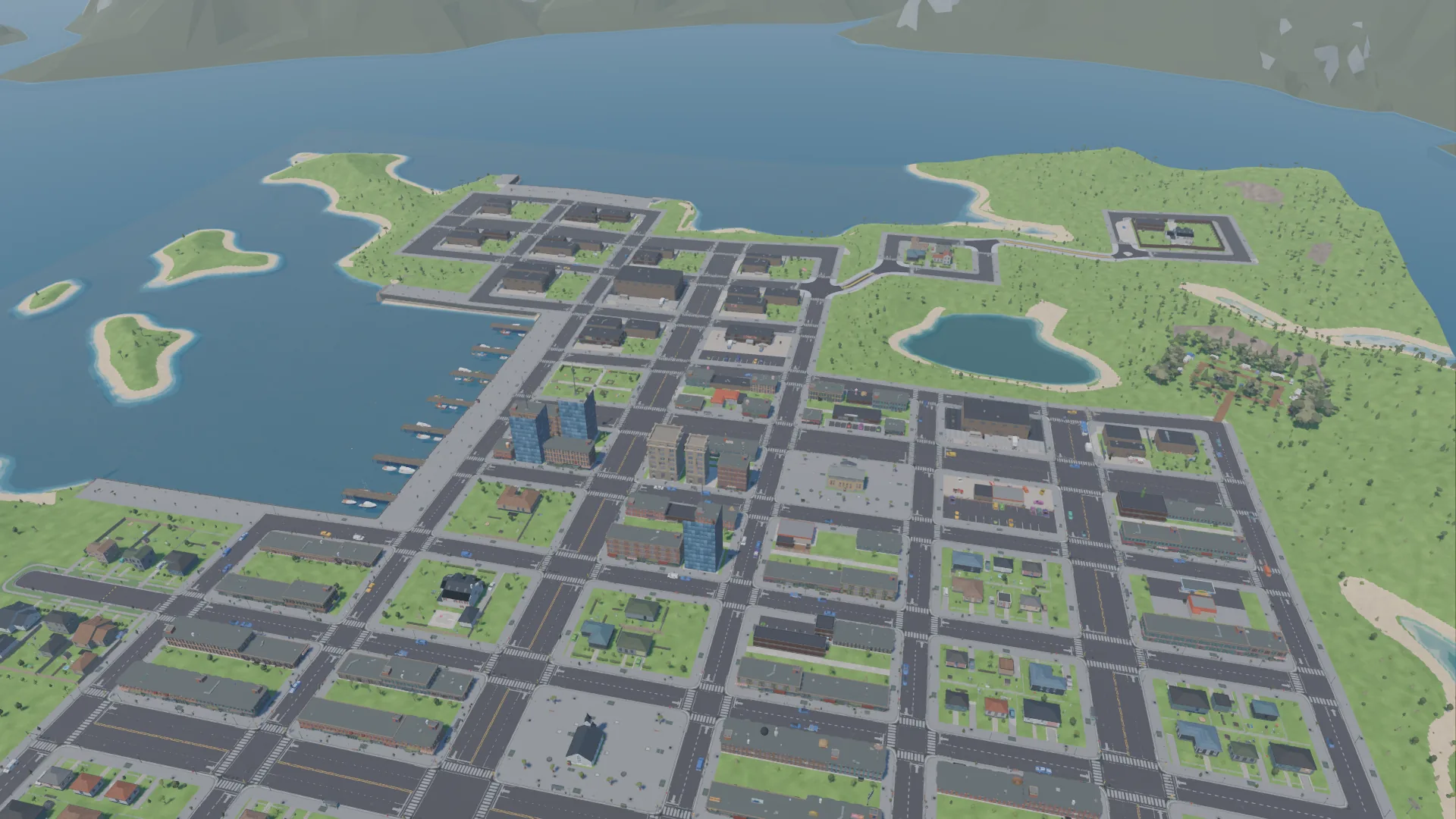
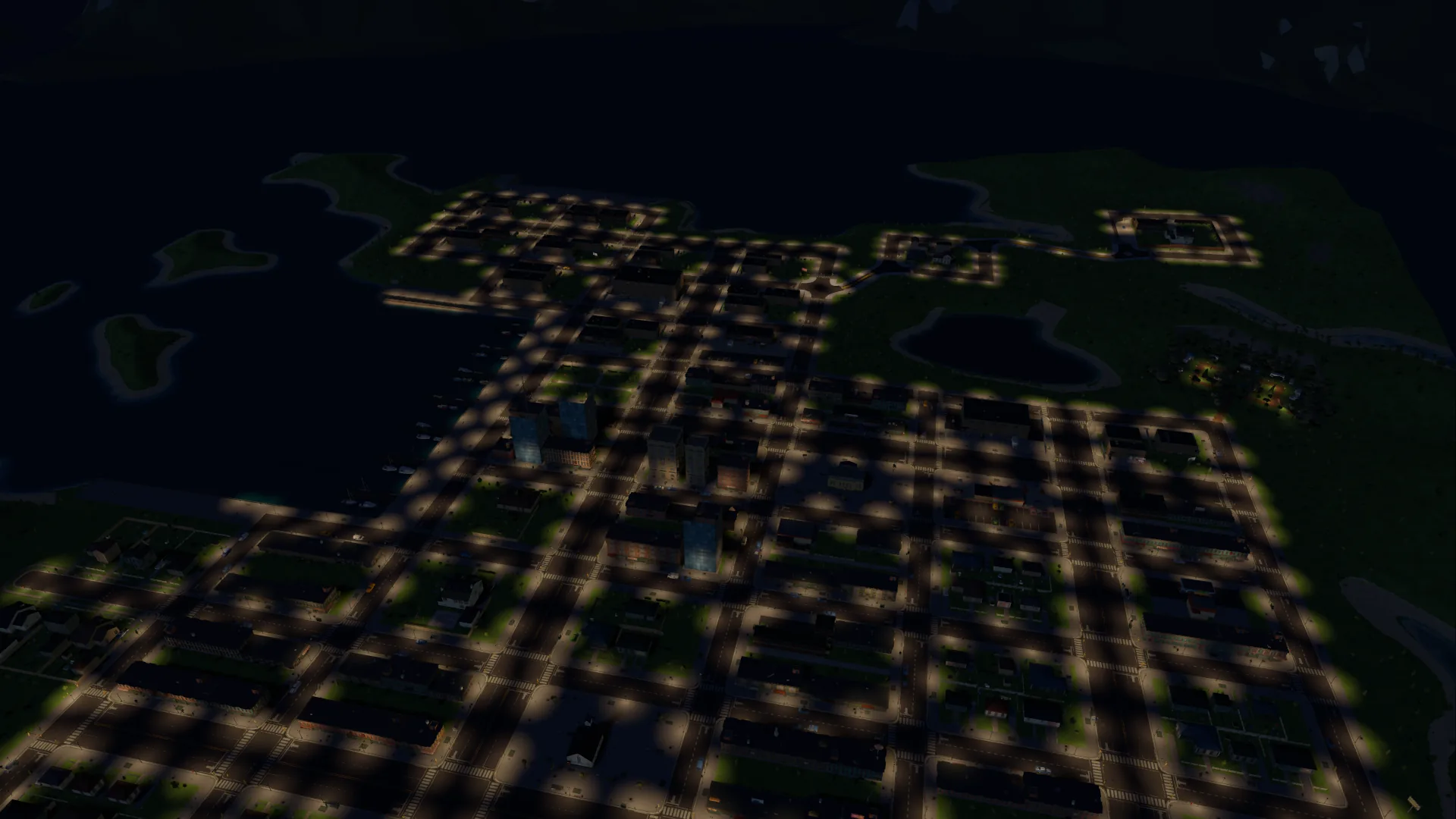
The whole town from above, by day and after dark, when 568 street lamps light every block.In-engine · same camera · drag to compare
Tap a number to find a place, or filter by what it's for. North, where the port sits, is at the top.
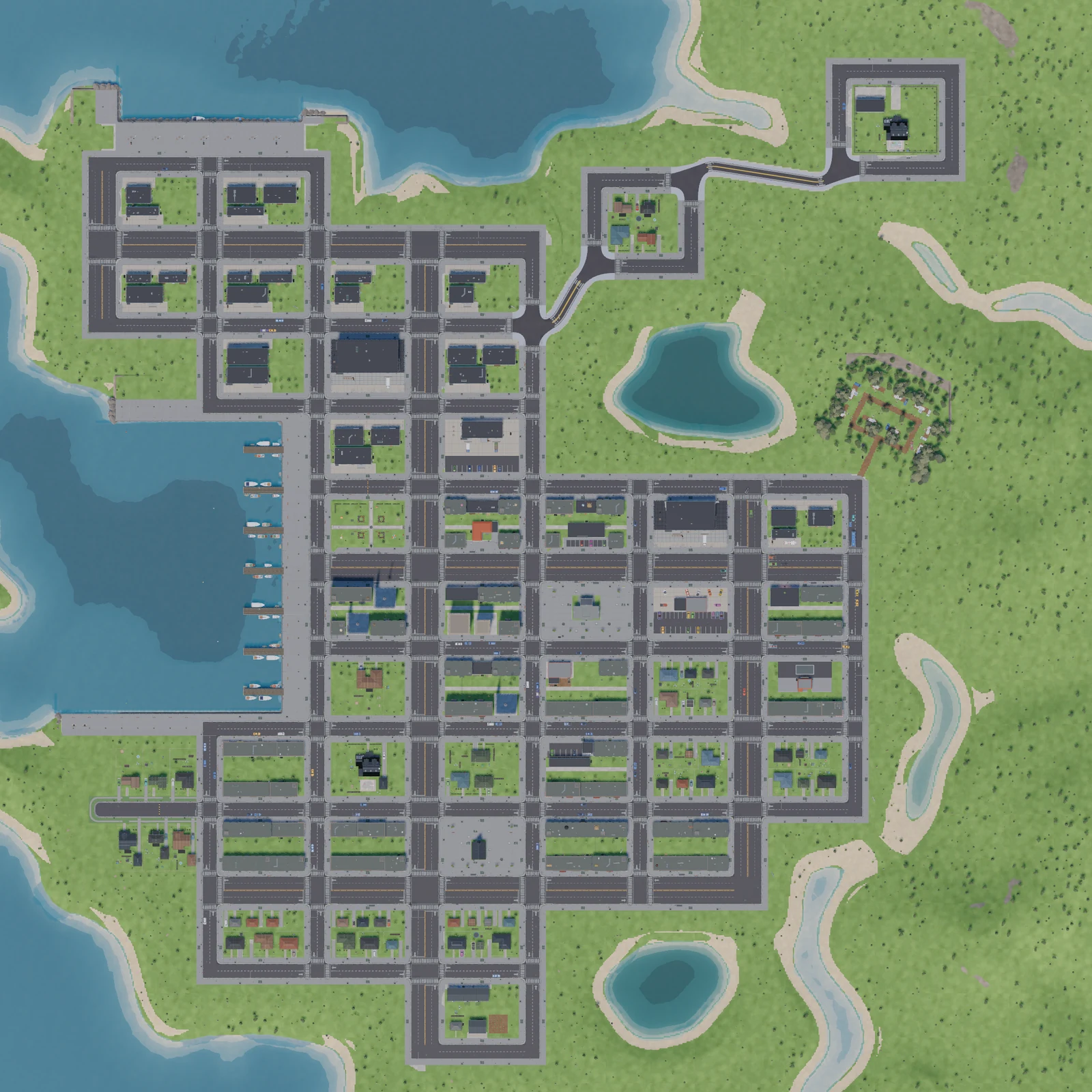
Top-down render from the game · north is at the top · 20 places
Downtown to Hill Villas
Glass towers, the budget hotel, the police station, real estate, the furniture store and the wholesale row.
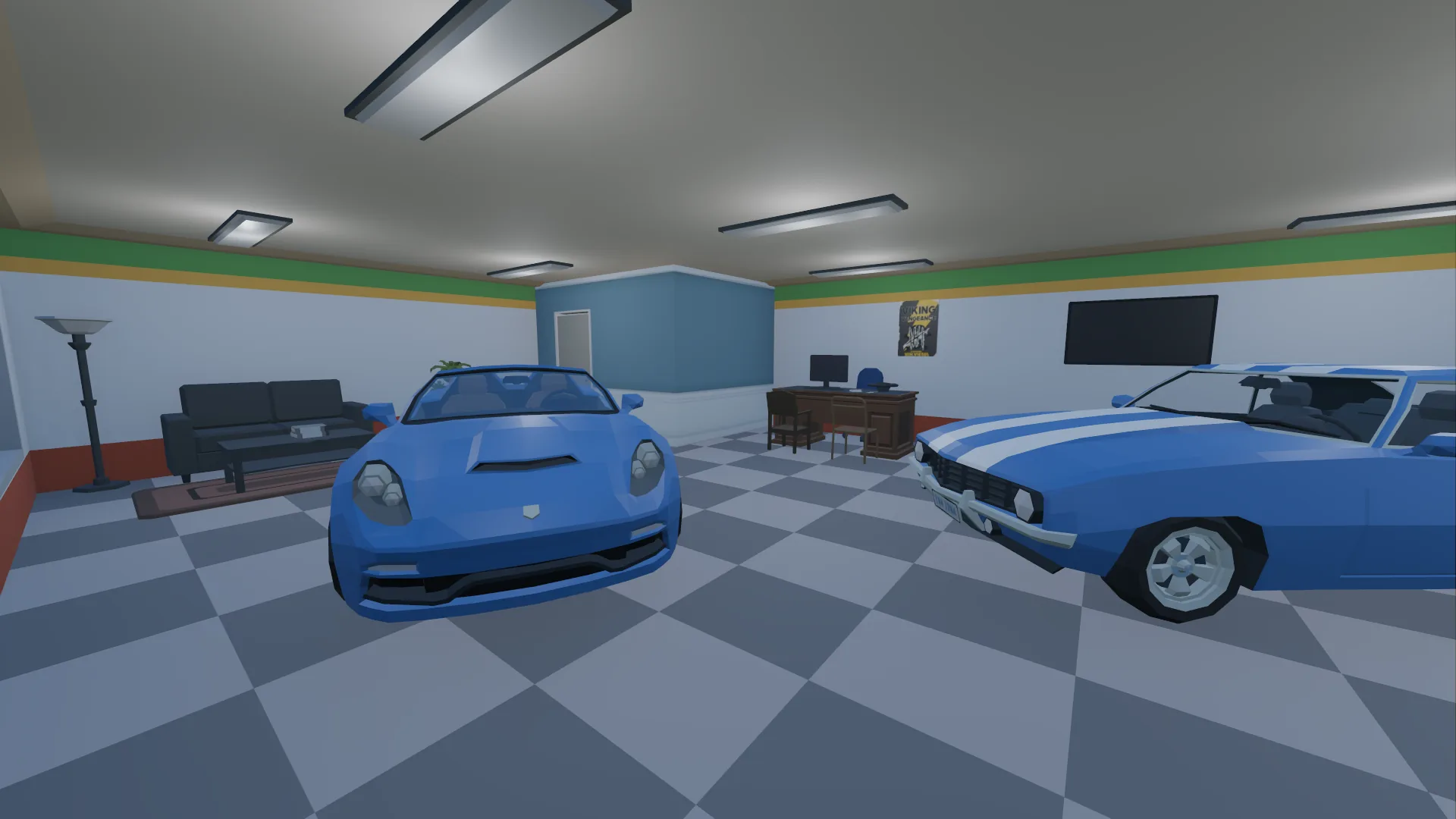
The florist's quarter: the town square, supermarket, diner, motel, car dealer and the night bar.
Shops, row houses and the luxury villa.
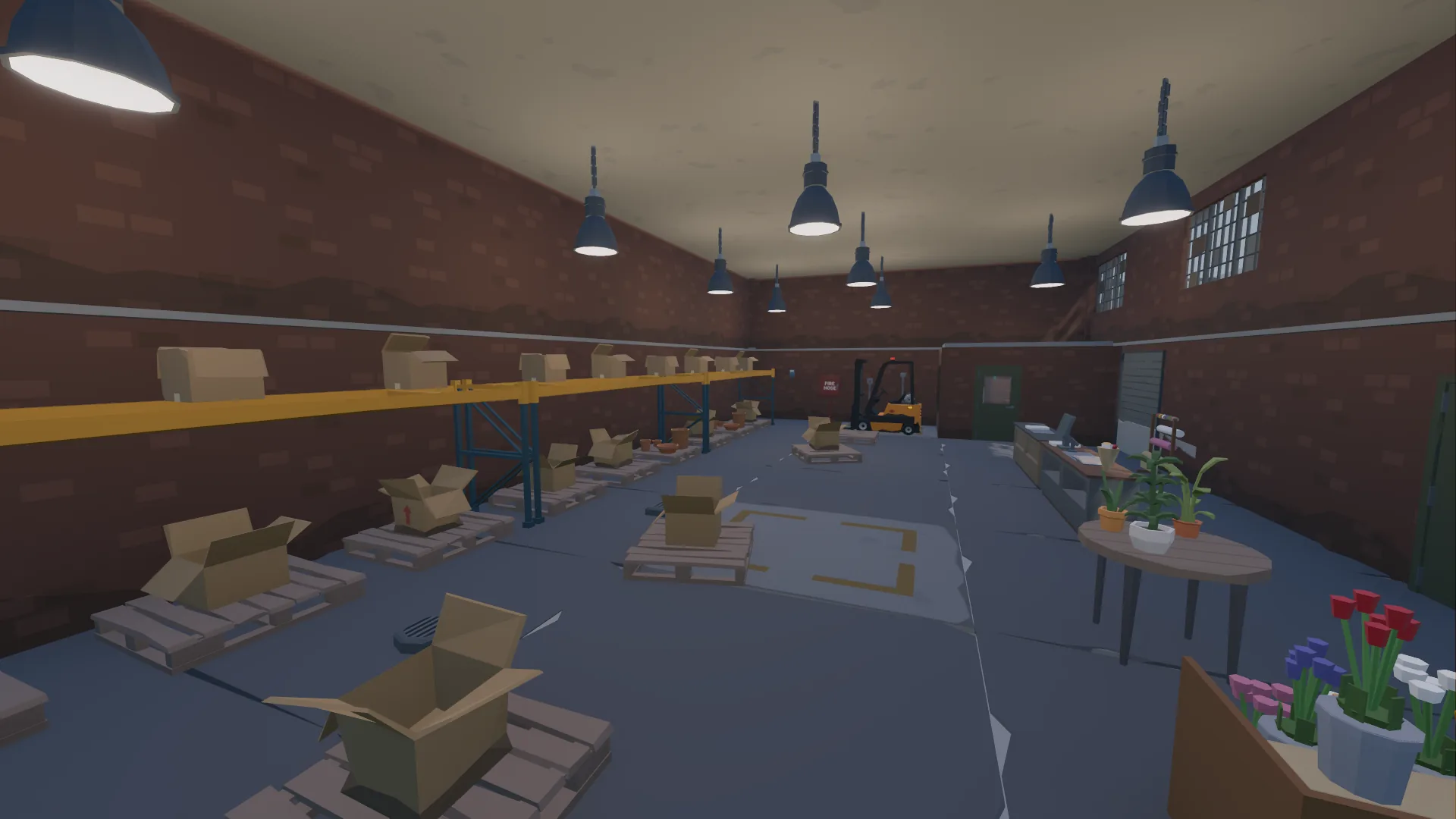
Warehouses, the hangar and the port quay on the northern shore.
Detached houses around the southern squares.
Older shopfronts east of the church square.
The farm edge and the O4 barn lot.
Suburban houses, including the owned R6 and R7 homes.
A small hillside neighbourhood between the lake and the port.
The walled estate compound on the hill.
Crossing the whole town takes 176 s west to east and 194 s north to south on foot, or about 70 seconds by car.
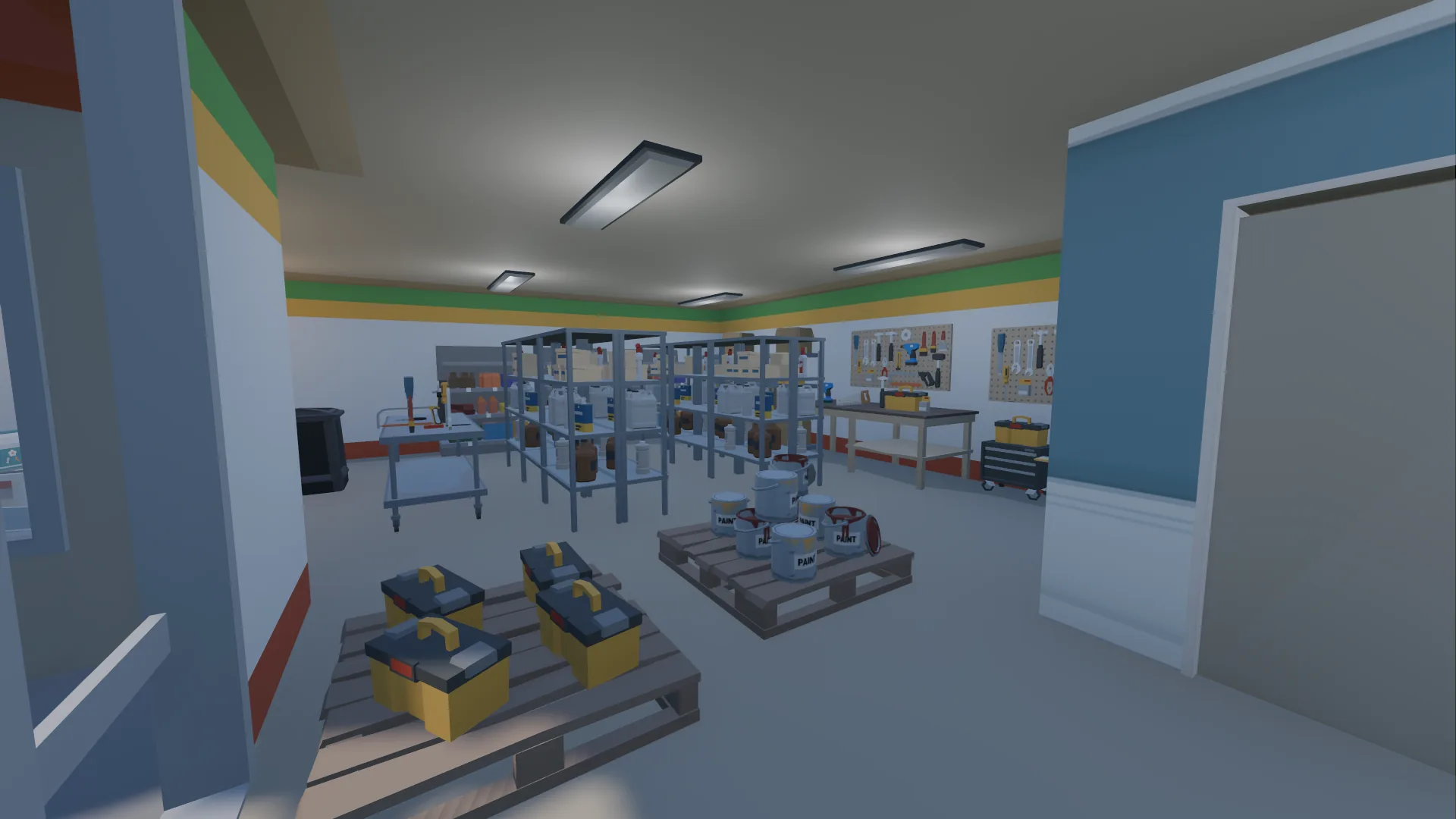
The 13 interiors: florist, flower wholesaler, hardware store, furniture store, supermarket, diner, gas station, motel, night bar, real estate office, car dealership, industrial warehouse and hangar.
You play the nephew: broke, living in a caravan, and dragged into both lives. Around you are the uncle, Vedat and his men, a patrol officer who buys flowers for his wife, and a named person behind every counter in town.
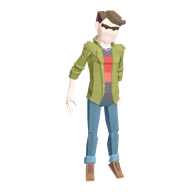 The player
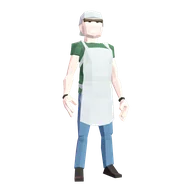 The Uncle
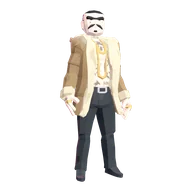 Vedat
 Officer Kaya
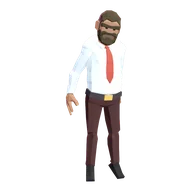 Motel owner
 Hasan, hardware store
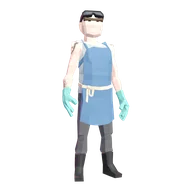 Ramazan, flower wholesaler
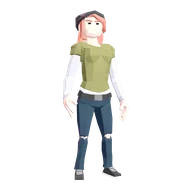 Derya, supermarket cashier
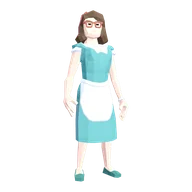 Ayla, diner waitress
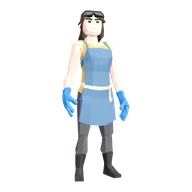 Hatice, diner cook
 Kerem, night cashier
 Riza, night-bar bartender
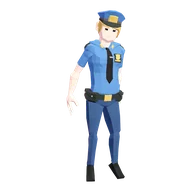 Police officer
 One of Vedat's men
 One of Vedat's men
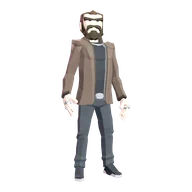 One of Vedat's men
 Townsperson
 Townsperson
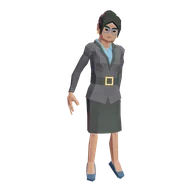 Townsperson
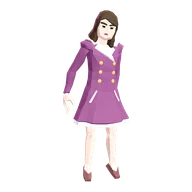 Townsperson
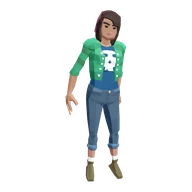 Townsperson
 Townsperson
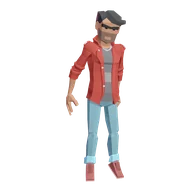 Townsperson
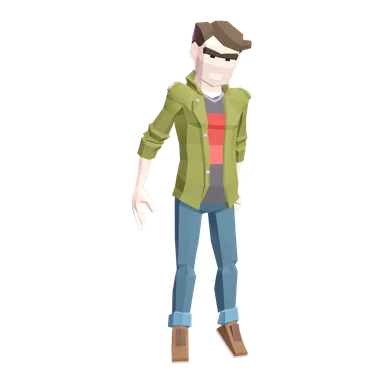
Retired florist and tutorial guide. He hands over the whole shop, then stays on as mentor and conscience.
The calm, polite creditor who ran the uncle's night jobs.
The local patrol officer who also buys flowers for his wife: the face of Suspicion.
The first regular, back for carnations every few days.
Chatty, trades favours, and gives you your first delivery errand.
The uncle's daughter, and part of what you're protecting.
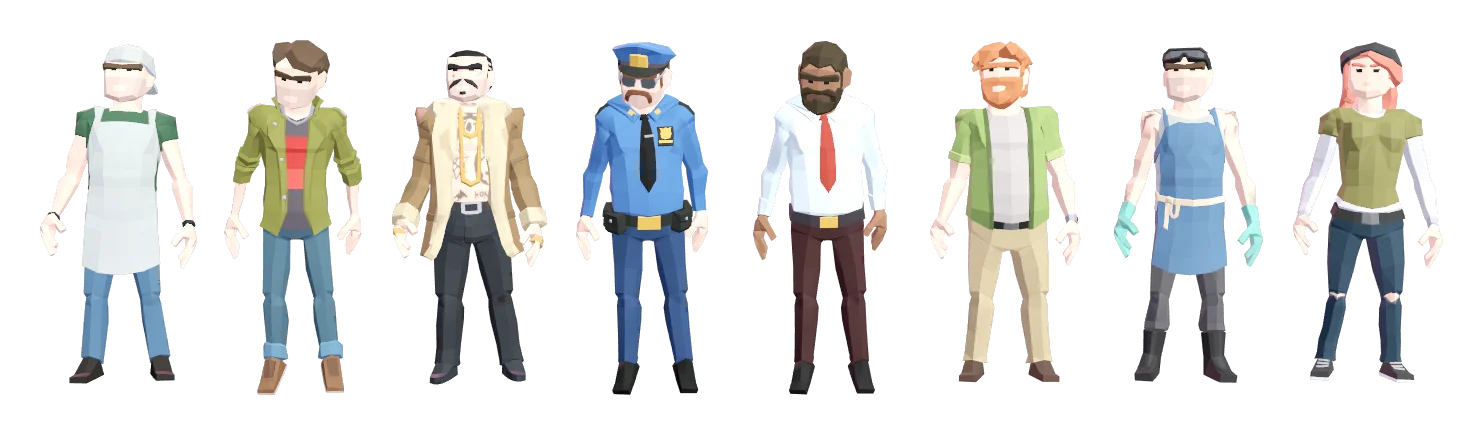
7 city body types in 12 colour variants. Each pedestrian is a coward, neutral or tough, which decides whether they flee, film, call the police or push back.
Walk-ins, bouquet customers with an occasion, palette, size and budget, regulars who remember what they like, and event contracts.
Story and town characters are picked from the low-poly packs to fit each role: the uncle is the Town shopkeeper, Vedat the Gang Warfare boss.
Synty POLYGON City / Town / Gang WarfareEvery skinned model is imported onto a common humanoid skeleton through bone maps, so one animation set fits every character.
Godot import + bone mapsA build tool turns each model into a ready NPC scene (16 so far); crowds reuse 7 city bodies with 12 colour variants.
Godot tool script481 clips (walking, carrying boxes, stocking, till work, phone, sitting, sleeping, driving, reactions) are retargeted into a single library every character plays.
MixamoithappyRetargetingPersonalities, footsteps, speech bubbles, work loops at their counters and ragdoll reactions. Story characters walk real routes, like the uncle's shop tour.
Godot 4.7There's no character creator, and none is planned. Customisation in Midnight Bloom means the shop and the home: 65 placeable furniture and equipment pieces, a bouquet bench of 3 sizes × 6 occasions × 5 palettes, and the uncle's garden out back.

Size M · Birthday
$55
In the game the customer brings the wish and you build it from 15 flowers. Seven factors score what you hand over:
Sales floor
 Red rose
 White rose
 Tulip
 Carnation
 Chrysanthemum
 Daisy
 Sunflower
 Gerbera
Premium cooler
 Lily
 Orchid
 Peony
 Hydrangea
 Calla lily
 Protea
 Bird of paradise
Boxed at the hardware store
 Flower stand
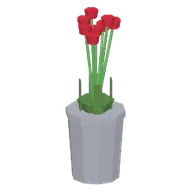 Flower bucket
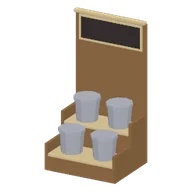 Flower bay
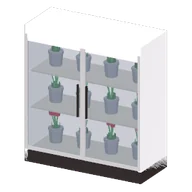 Flower cooler
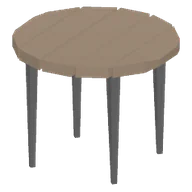 Display table
 Round display
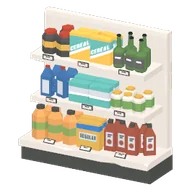 Shop shelf
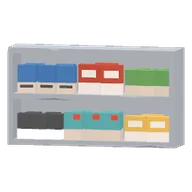 Wall shelf
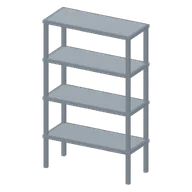 Metal shelf
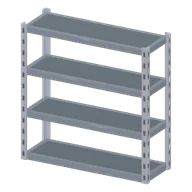 Storage shelf
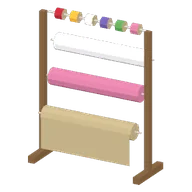 Wrap stand
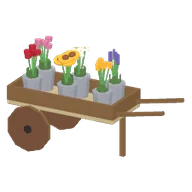 Flower cart
 Shop plant
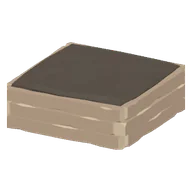 Garden bed
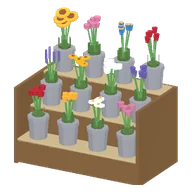
Flower stands, bucket racks, flower bays, single and double coolers, display tables, shelves, wrap stands and a flower cart. Buy them boxed, carry them in, unpack them and place them yourself.
For rented and owned homes
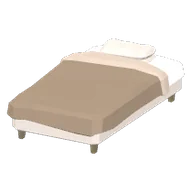 Single bed
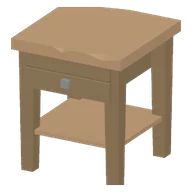 Bedside table
 Couch
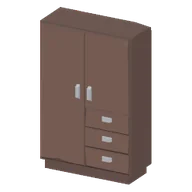 Wardrobe
 Rug
 Mirror
 Standing lamp
 House plant
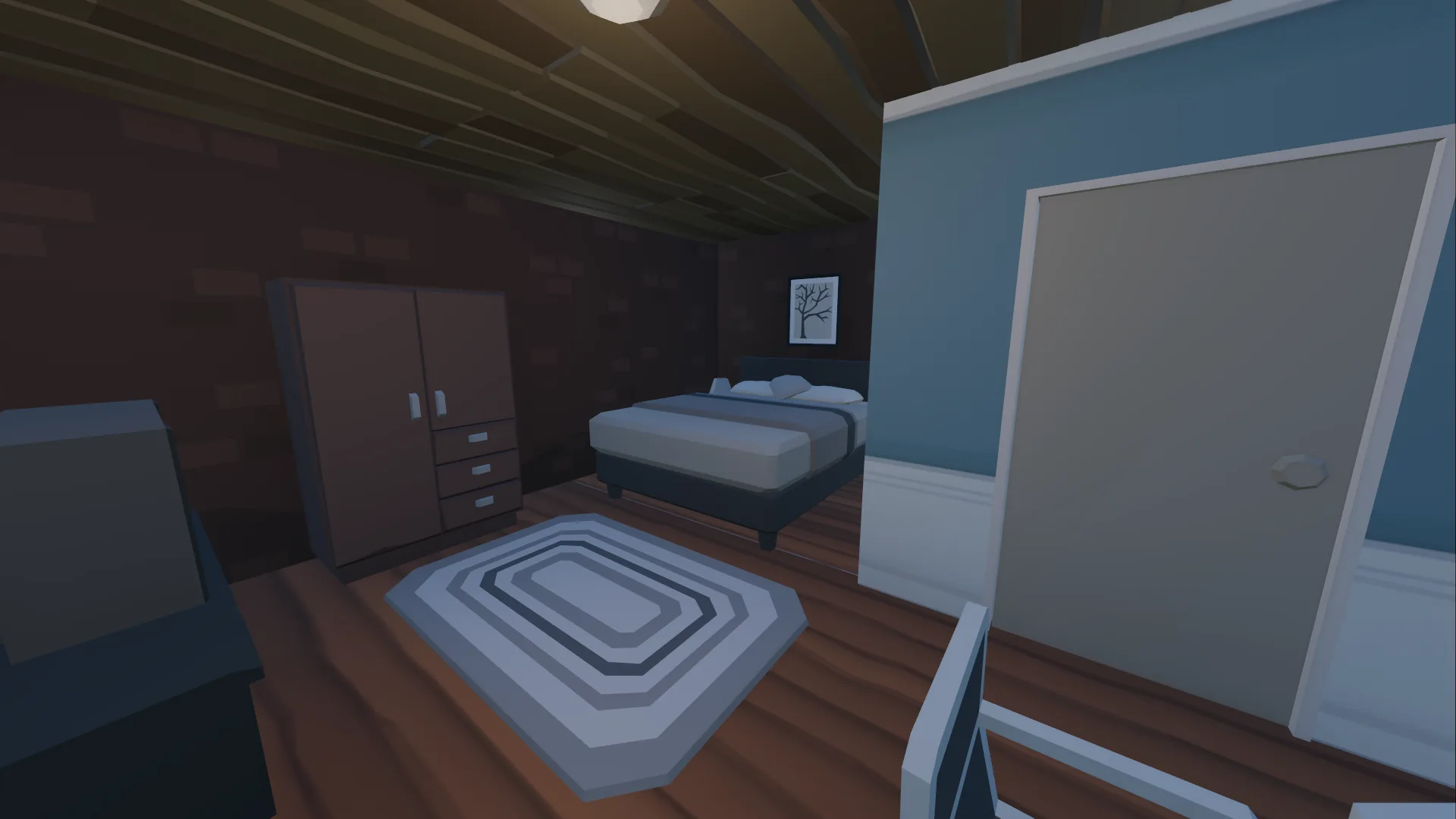
Beds, bedside tables, couches, wardrobes, rugs, mirrors, lamps, house plants and an art collection of canvases, a sculpture and a brass globe.
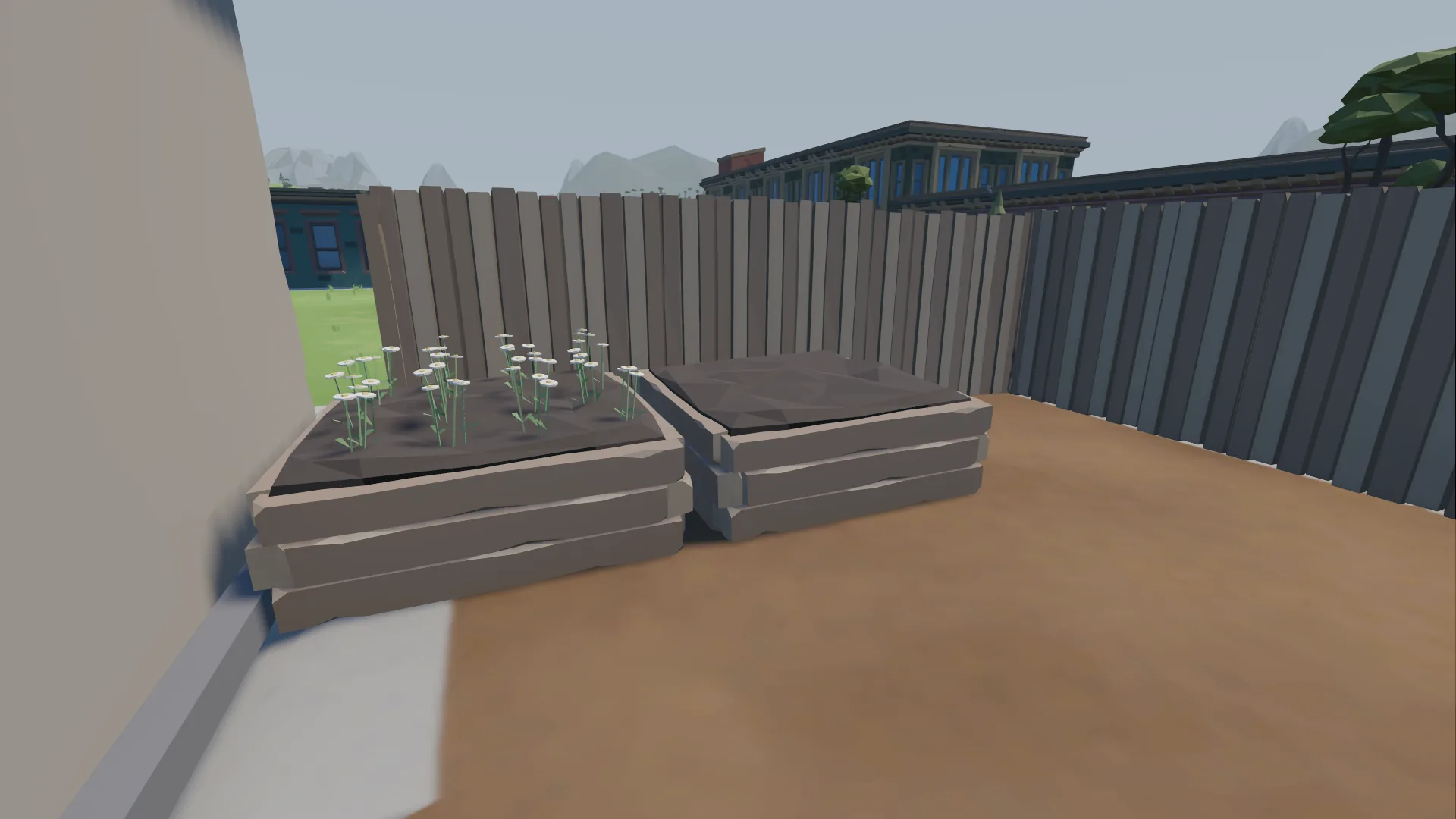
Raised beds in the rear yard take 7 seedling types and 3 soil grades. Harvest with pruning shears and bunch the stems for the displays; garden goods are sold at the hardware store.
Homes and operation spaces are separate ladders at real places in town. Better homes mean better sleep, storage, parking, a yard and a garage; bigger operation spaces raise the staff cap from 0 to 12 and loading points from 0 to 3.
Your old caravan in the caravan park
Better sleep and a small locker
A room in Downtown
Rented houses around town
West Side homes up to the pool villa in the Market Quarter
One Growth Station kit behind the florist
Designed; location in town still to come
The first space rented purely for the night
The first real automation step, by the port
A barn lot on the southern farms
Walk-in, with a mezzanine
45 × 24 m for heavy logistics
The walled hilltop endgame
One real second is about one game minute. The shop opens with a breaker lever and closes itself at 21:00; what you do with the rest of the night is the other half of the game.
Buy buckets and crates at the wholesaler, load them into your trunk, carry them to the storeroom shelf and fill every display slot by hand.
Set a price per product on the shop PC, open with the breaker lever by the door, then scan, take cash or card and count change.
They leave unhappy when stock runs out, prices are too high, the queue is long or the shop is dirty. Regulars remember what they like.
A trash bin that fills up, a watering can, empty buckets to return, a daily report. Weddings, funerals, hotels, a weekly diner contract and holiday rushes arrive as phone offers.
An abstract station tracked only by progress, condition, quality, power load and risk. Start with one kit in the rear yard, later assemble stations from placeable parts.
Messages with time windows and buyer moods. Carry small batches to drop points by hand at first, then assign runners to routes.
Two separate money channels: the florist pays rent, staff and vehicles; Night Cash pays the installment, equipment and the night crew.
$18,000 owed to Vedat, paid in weekly $1,500 installments. Paying short has consequences back at the shop.
Caravan to motel, budget hotel, three rentals and three owned houses. Sleep quality follows your home.
Rear yard to estate compound; staff caps grow from 0 to 12 and loading points from 0 to 3.
Energy, hunger and comfort only. Eat at the diner, supermarket, gas station or vending machines.
Boxed furniture is bought, carried, unpacked and placed with a ghost preview, then saved where you put it.
Each role unlocks only after you've done the job yourself: a Store Clerk after 40 checkouts, a Florist after 25 bouquets.
Store Clerk, Stocker, Florist, Cleaner, Courier and Store Manager, each with a hire fee, daily wage and shift.
Grower, Handler, Packer, Runner, Cleaner, Security and Night Manager, with station or route limits.
Goods move along source-to-destination routes, with warnings for missing supplies and full destinations.
The uncle's cargo bicycle (1 box), a beater car ($900, 4 slots), a used compact ($1,800, 5 slots) and a delivery van ($4,200, 16 slots). Crash damage is fixed at the mechanic.
Traffic lights at 26 junctions, cars and pedestrians, 37 boats, swimming in the sea and lakes, and day/night lighting.
Persistent suspicion per player, property and district, and five states: clear, investigating, stop requested, pursuit, armed response.
Fists, a bat and three firearms gated by night reputation. Firing in town brings serious police escalation; it's not the focus.
From the Day 1 hand-over through Week 12 and an open Act 3.
Endings follow your play style: cozy tycoon, kingpin or clean exit.
Flower stars unlock premium stock, clients and contracts; night ranks unlock contacts, properties, crew and gear.
Calls, messages with night-order cards, contacts, bank, a map with satnav, My Shop, a calendar and notes.
Version 0.1.0 is a playable vertical slice on Godot 4.7.2, built across 147 commits. While the studio launches Pop Star Life 2, Midnight Bloom runs as a small, steady track: tune the story, get every test green, then go public in 2027.
Every system starts as a numbered section of the design bible with concrete numbers: prices, capacities, walking times and unlock rules. The bible also marks what is a proposal and what is final.
Flowers, furniture, properties, staff, vehicles, events, quests and dialogues live in data files, so balance changes don't need new code.
Low-poly characters are imported onto a shared humanoid skeleton, so a single library of 481 retargeted clips drives the player, the story cast and the crowd.
The town is laid out around walking and driving times, not map size: the key shops sit within a minute's walk of the florist.
Most systems, and every story chapter, have an automated test in the engine. A feature isn't done until its test is green.
Capture scripts render the town, interiors and cast from fixed cameras, and a person reviews every image.
Internal play, then invite-only waves and a Next Fest demo, each built around one question. Findings go back into the design bible.
Builds go out with save migrations, Steam cloud saves and patch notes, and the public roadmap is updated with every major update.
Every phase from first pitch to post-launch. Shipped phases are green, the one in production now is gold.
A florist sim with a second life after dark. We wrote the design bible, locked the tech stack and set up the character and animation pipeline before building anything big.
The core of the game is playable: take over the uncle's florist, run every shop job by hand and step into the night operation, all in one living coastal town.
A small, steady track while the studio launches Pop Star Life 2: tune the story after Week 1, get every automated test green and make the town's names consistent.
Finish the designed pieces the launch needs and freeze the Early Access feature list. Anything not ready moves to a named update.
We go public after Pop Star Life 2's launch support ends, so the Coming Soon page has months to collect wishlists before Next Fest.
Two invite-only Steam Playtest waves, each built around one question.
A free demo in the June edition of Steam Next Fest: the uncle's hand-over, the first days in the shop and the night everything changes.
Content freeze and bug-fix only. The build goes to Steam review with time to spare, and the launch window stays clear of Pop Star Life 2's own updates.
Launch a few months after Next Fest, while the demo is still fresh. If the story and the two-money economy aren't solid, the date moves; we won't ship it half-tuned.
The first six weeks belong to players: fast fixes, balance and listening.
Four themed major updates, roughly every eight to ten weeks, with smaller patches in between.
No new systems: Act 3 and the endings finalised, a full-game balance pass and stability.
The complete double life, about 16–18 months after Early Access launch.
Support the live game and grow it where players ask for it most.
Roadmap updated 2026-09-27 · windows are targets and may shift with playtest feedback.
“A debt, a shop and a story across twelve in-game weeks are best balanced by the people living it.”
The hands-on florist, bouquet bench and garden, the night operation, 9 homes and 8 operation spaces, 13 staff roles, 4 vehicles and difficulty presets. Story tuned from Day 1 to Week 12, Act 3 as a first pass.
Walk-in homes, the police station and more Officer Kaya, premium vehicles and a pawn shop, then ledger tools and late-game tuning.
The complete three-act story with all three endings, every Early Access update polished and integrated.
Homes you can walk into
Heat, patrols and Officer Kaya
Vehicles and second-hand trade
Late-game pressure and bookkeeping
The same answers we'll give on the Steam store page.
Midnight Bloom Simulator is a systemic sim where a flower shop and a night operation share one clock, one town and two separate money channels. Balancing the debt, wages, suspicion and a story told across twelve in-game weeks is best done with players living it. Early Access from Q3 2027 lets us tune the economy, pacing and endings with you while we add walk-in homes, the police station, new vehicles and late-game tools.
About 16–18 months, with 1.0 targeted for Q1 2029. We'll share an updated estimate with every major update and say so openly if the schedule changes.
1.0 adds walk-in interiors for rented and owned homes, the hotel room and the police station, more Officer Kaya story, premium vehicles, a pawn shop, ledger tools and an optional stress need, plus the finalised Act 3 and all three endings, a balance pass across the whole game and broad polish.
At launch you get the whole coastal town with 10 districts and 13 walk-in interiors, the full hands-on florist, the bouquet bench, the uncle's garden, furniture placement, the night operation, 9 homes and 8 operation spaces, 13 staff roles, 4 vehicles, suspicion and wanted states, two reputations, the phone, and Cozy, Standard and Risky presets. The story is tuned from Day 1 to Week 12; Act 3 and its endings are playable as a first pass. Expect rough edges and balance changes.
We plan to launch below the intended 1.0 price and raise it as major content lands, with notice before any change. Everyone who buys in Early Access gets every update and 1.0 at no extra cost.
Through closed playtests and a Steam Next Fest demo before launch, Discord and Steam forums, an in-game feedback prompt and a public roadmap updated with every major update. We'll poll the community on quality-of-life priorities and on the order of later updates, and patch notes will credit the player reports they fixed.
A fictional, abstract side business the uncle ran to pay his debt. Growth Stations are tracked only by progress, condition, quality, power load and risk, and night orders are messages with time windows and buyer moods. It is a management layer built for tension and choices, and nothing in it is modelled on real-world products or processes.
Mostly, yes. The flower shop stays essential all game, and the Cozy preset lowers the pressure. The night work is part of the story, but how far you take it is your choice, and one of the endings is a clean exit. Combat is a small side system, not the focus.
PC (Windows) on Steam. We'll look at Steam Deck after launch. No console versions are announced.
That's the goal. Saves are versioned and older saves are migrated forward automatically. If an update ever has to break compatibility, we'll announce it in advance and keep the previous version on a Steam beta branch.
The interface ships in English and Turkish. More languages will be considered for 1.0 based on player demand.
Clean in-engine renders from the 0.1.0 build: no HUD, no phone, no menus. Shop signs in the town are in English.
Get the Steam page announcement, playtest invites and the Early Access date first.